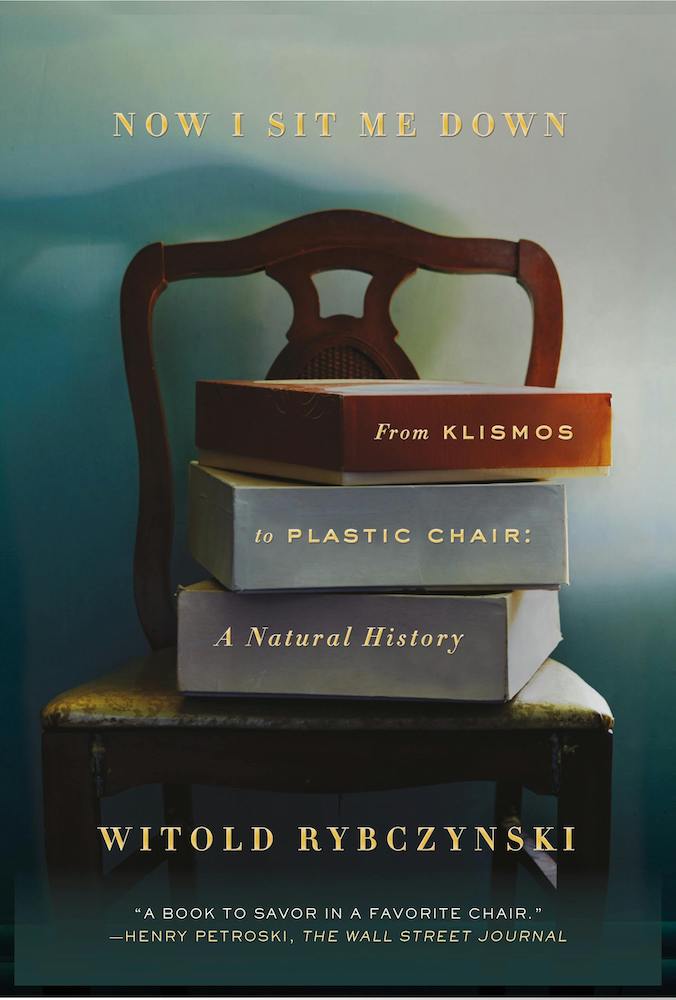
“Chairs are fascinating because they address both physiology and fashion. They represent an effort to balance multiple concerns: artistry, status, gravity, construction, and—not least—comfort. Chairs can be whimsical or blandly practical, luxurious or simple, a frill or a necessity.”
“A chair is an everyday object with which the human body has an intimate relationship. You sit down in an armchair and it embraces you, you rub against it, you caress the fabric, touch the wood, grip the arms. It is this intimacy, not merely utility, that ultimately distinguishes a beautiful chair from a beautiful painting. If you sit on it, can it still be art? Perhaps it is more.”
“Every chair represents a struggle to resolve the conflict between gravity and the human anatomy. Sitting up is always a challenge.”
“The klismos is a sitting tool distilled to its essence. But it is also a cultural artifact of great aesthetic refinement. You can copy it…you can decorate it…Or you can figure out how to mass-produce it. But you can’t really improve it. It’s perfect.”
“It is easy to understand the Windsor chair’s appeal: it did not use fancy woods; it did not require wood-carving or upholstering skills; unlike a rush chair the seat never had to be replaced; and an old chair needed only a coat of paint to freshen it up.” (furnished Continental Congress and Philadelphia State House for Declaration and Constitution)
(why new chairs: changes in technology and materials, social conditions, posture, symbolic effects)