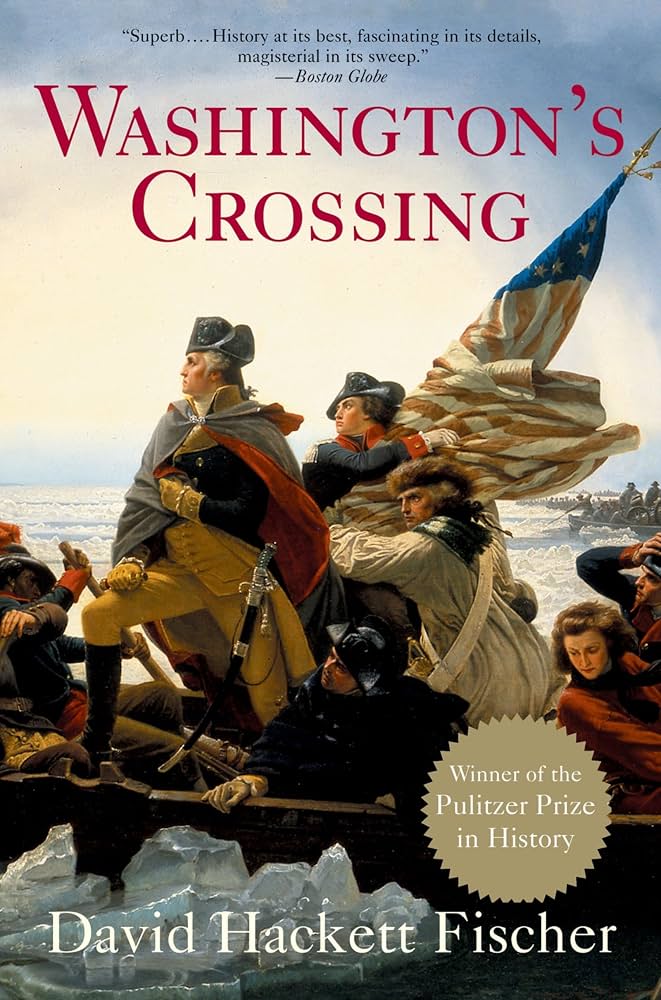
Washington thought of liberty in Stoic way: independence from “involuntary passion”; slavery to be in bondage to unbridled passion
Washington OK with slavery until revolution in 1775, then freed slaves in will
Got command because he was qualified and Virginian
“An army of cantankerous Yankees” under “gentleman of Virginia”; disparate groups uneasily working together and being led
In 1776 British army and navy at peak of power
British army a decentralized bureaucracy of “semi nomadic tribes”: grenadiers (storm troops), light infantry elite (precursor to Green Berets), light horse dragoons, Royal Artillery (intellectual elites)
Marching in step just became common by 1776
British preference for “bend not break” method of discipline; emphasis on willingly supporting others
170 different drum signals, plus songs to foster “regimental identity”
Britain tried to hire Hessians as early as winter 1774-75
Hessians elite army Britain paid top dollar for from Hesse-Cassel state: warrior’s creed; mercenary but believed in causes and corporal punishment
Hessians ruled by discipline and order, loyalty to prince Landgraf Wilhelm
Hesse-Cassel thrived from lucrative treaties with Britain and Holland: soldiers in exchange for funds invested in public spending and lower taxes
Hessian tension between obedience & service and entrepreneurial risk for sake of profit in America
Richard and William Howe of aristocratic family and grew up with George III
Richard entered navy and garnered acclaim; known as Black Dick for dark complexion and “saturnine mood”
Howes sympathized with colonies as more liberal Whigs but were called to serve
Suggested British strategies included brute force, blockade, constant battles; instead a middle way of strategic occupation, swaying moderates, and “speed and skillful maneuver”
Blockade would be ineffective without allies; the needed forces were at home and around the world
Several American strategies tried: economic war, defensiveness/attrition, modular armies and battles, defend perimeter of colonies
Fall of Fort Washington and New York low part of Washington’s career
Cornwallis a career soldier who’d go on to fight in Ireland, India, and Europe; as a Whig opposed hard measures against America
Artillery captain Hamilton raised company, recruited, fundraised uniforms and weapons at 20
Paine aide-de-camp to General Greene and war correspondent: Common Sense then The American Crisis published in papers then pamphlets – widely read and galvanizing in dark time
“This great revival grew from defeat, not from victory. The awakening was a response to a disaster. Doctor Benjamin Rush, who had a major role in the event, believed that this was the way a free republic would always work, and the American republic in particular. He thought it was a national habit of the American people (maybe all free people) not to deal with a difficult problem until it was nearly impossible. “Our republics cannot exist long in prosperity,” Rush wrote. “We require adversity and appear to possess most of the republican spirit when most depressed.”
‘Crisis’ appeared in December 1776 at lowest moment; revived population and army
Congress voted in December 1776 to give Washington full military powers for 6 months: civilian control and military direction
Washington exercised powers carefully and with explanations; delegation and cooperation a trial run for eventual Constitution
Howes offered lenient policy of amnesty to colonists who took oath to king
Richard Stockton of New Jersey only Declaration signer to turn coat when New Jersey occupied
Customs of plunder: unoccupied house could be stripped, victims had to respect plunder, stuff taken from military was OK not from civilians, family homes had to be left with enough to survive
Rape by British and Hessians endemic and large-scale
Occupied New Jersey radicalized against British and devolved into anarchy and violence
While Washington preparing Delaware crossing, Gates went to Congress to try to seize command
Victory at Trenton against Hessians boosted morale
Washington’s “quiet, consultative leadership” helped encourage open debate and unite different factions
American officers addressed soldiers as gentlemen, which spoke to principles of honor by human decency and dignity instead of rank or status
Lost a lot of Continentals on New Year’s Eve 1776 when enlistments ran out but gained some militias and paid some to continue
Washington forbade plundering (not always followed) wanting to set example of freedom and humanity, contrasted with British and Hessians
British and Hessians losses at beginning reduced effectiveness through rest of war
1776 celebrated as glorious year but it was agony on the ground; by spring 1777 fortunes reversed
A “web of contingency” determined the outcomes