A students vs. X students: good grades vs. risk-taking and problem solving
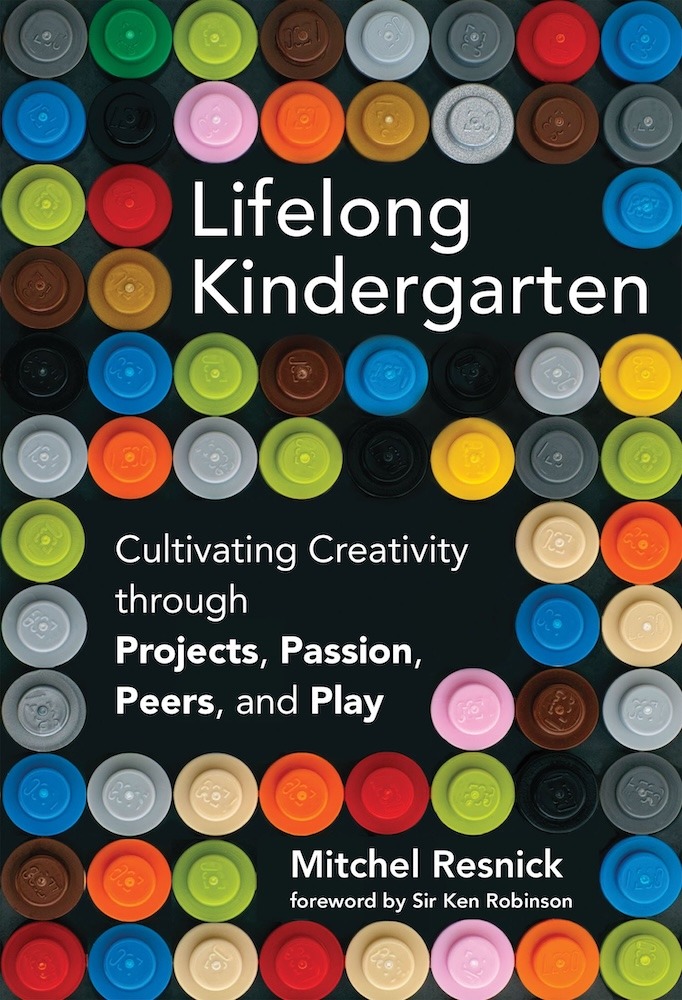
4 P’s of Creative Learning: Projects, Passion, Peers, Play
Creative Learning Spiral: imagine, create, play, share, reflect, repeat
“Creative thinking” > creativity
Eureka moments are few and fleeting
Can’t teach creativity but can nurture
Alan Kay: Technology is whatever was invented after you were born.
Project-based learning leads to fluency, which develops: thinking, voice, identity
For a technology to be effective: low floor, high ceiling, and wide walls to allow space for different passions and projects
Hard fun: learning within projects your care about
- Dive in and immerse; step back and reflect; repeat
- Immersion without reflection can be satisfying but not fulfilling
Intrinsic motivation > extrinsic motivation; reward or gamified payment seems to narrow focus and restrict creativity
Good teachers:
- Catalyst or spark for learning process: ask questions
- Consultant: guide on the side
- Connector: facilitate learning between people
- Collaborator: working with others
Play = curiosity, imagination, experimentation
LEGO = contraction of Danish lege (open-ended play) and godt, meaning “play well”
“Not everything that can be counted counts, and not everything that counts can be counted.” William Bruce Cameron
Loris Malaguzzi poem “The Hundred Languages”
10 tips for learners:
- Start simple.
- Work on things you like.
- Fiddle around.
- Don’t be afraid to experiment.
- Find a friend.
- It’s OK to copy stuff.
- Document in a sketchbook.
- Build, take apart, rebuild.
- When things go wrong, stick with it.
- Pay attention to your own learning.
10 tips for parents and teachers:
- Imagine: show examples to spark ideas.
- Imagine: encourage messing around.
- Create: provide a wide variety of materials.
- Create: embrace all types of making.
- Play: emphasize process, not product.
- Play: extend time for projects.
- Share: play the role of matchmaker.
- Share: get involved as a collaborator.
- Reflect: ask authentic questions. (How did you come up with the idea for this project? What’s been most surprising to you? What did you want it to do?
- Reflect: share your own reflections.