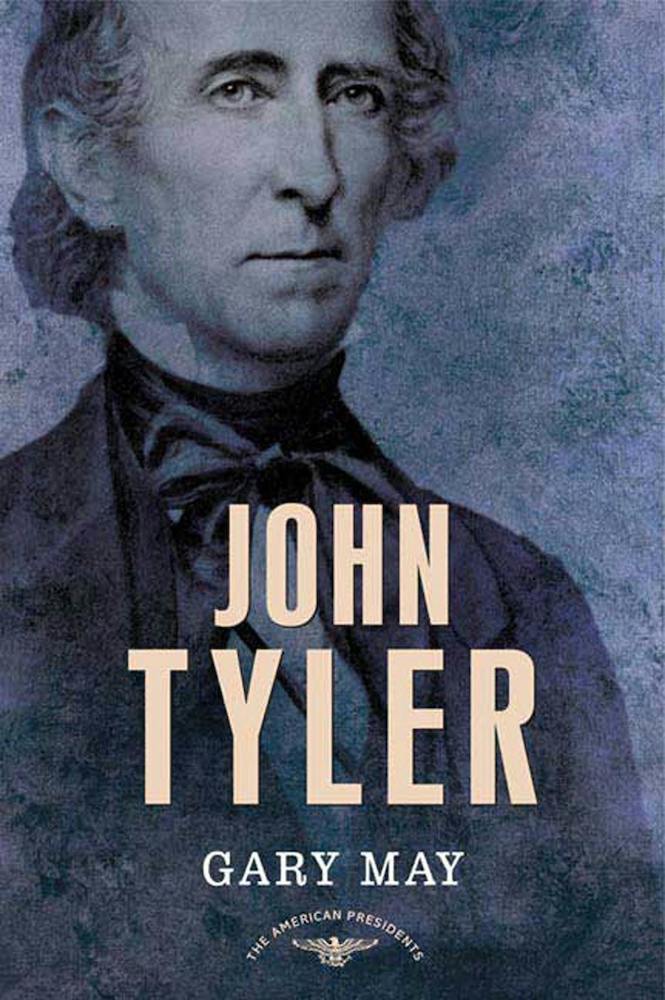
At 51 he was the youngest president to take the oath
Tyler’s father was Virginia governor and friend of Jefferson during Revolution
Tyler was last Virginian president
Attended College of William & Mary, then law school by 19 and Virginia House of Delegates in 1811
In spring 1813 his father died, he married Letitia, and joined militia but didn’t see action
Elected to Congress in 1816 at 26
Clay’s “American System” inspired by dismal performance in War of 1812, but states rights advocate Tyler voted against
Appointed to committee investigating Second Bank of the United States role in 1818’s “bank mania” of speculation and corruption; report was critical but bank survived
Voted against Missouri Compromise of 1820, which pushed him to not seek re-election
Law and farming bored him, so he won spot in Virginia legislature at 33, then became Virginia governor at 35
Virginia senator John Randolph lost favor, so Tyler selected for Senate in 1827
Hated John Quincy Adams and feared Andrew Jackson; in 1824 went Adams and 1828 Jackson
Went against Jackson’s despotism in nullification crisis and Bank controversy, despite supporting states rights
Resigned from Senate in 1836 in protest of resolution to expunge censure of Jackson’s behavior in Bank controversy
Despised the word “national” and what it represented
Whigs in 1840 had no official platform so as not to tear apart fragile coalition
Clay clashed with Harrison assuming he’d be subservient to Congress
Tyler brought 8 kids to White House, had son as secretary
Wife Letitia had stroke in 1839 and was invalid; daughter in law and actress Priscilla Cooper acted as First Lady
Clay, angling for 1844, put Third Bank of United States up for vote but Tyler vetoed
Whig activist Philip Hone called Tyler’s message “the quintessence of twaddle”
Second veto of bank triggered Cabinet resignations (orchestrated by Clay) save Daniel Webster; Clay assumed Tyler would resign but instead he found independent Whigs
Whigs expelled Tyler from party after 1841 special session
Letitia died in 1842
Skirmish with Britain in 1830s at Maine/New Brunswick border dispute led to Webster-Ashburton treaty, border resolutions, and slave trade compromises
Sent first envoy to China to open for U.S. trade
Ardent expansionist who wanted to annex Texas, but slavery held it up
In February 1844 was cruising Potomac on new steam-powered USS Princeton when “Peacemaker” cannon exploded; Tyler and fiancée Julia below but casualties and carnage above, including Julia’s father
Calhoun “never happier than when he was philosophizing on behalf of slavery”
Antislavery Democratic senator leaked Texas annexation treaty; solely hinges on slavery in election year
Created his own Democratic-Republican party to act as spoiler; promised to bow out if assured by Polk that Texas would be annexed
Married Julia in June 1844 in secret; first presidential wedding in office; 30 years her senior
Funds to improve White House denied by Congress, so Julia’s mother contributed
First president to decline to seek second term
Signed annexation resolution on March 1
Had 15 kids between two wives
1848 election split by Free Soil Party nominee Van Buren, and combined with Mexican war spoils states led to Compromise of 1850, which Tyler supported with Clay
Brown’s raid on Harpers Ferry and attempt at arming slaves tilted Tyler toward secession
Even in early 1861 was looking for ways to prevent disunion: participated in “peace convention” in DC but turned when proposed amendment would limit slavery and when Lincoln signaled war
Oversaw transfer of Confederate capital from Montgomery to Richmond, and served in Confederate House of Representatives briefly before death in January 1861
Asserted presidential power in era when Congress tried to weaken it; used veto vigorously, showed power even without congressional support or personal charisma
Improved Britain/American relations through Webster-Ashburton treaty, opened relations with China through Treaty of Wanghia, annexed Texas
Helped create “imperial presidency” through secret service contingency funds, guarding certain records, dispatching forces
Belief he was heir to Virginian presidents dynasty led to reckless pursuit of Texas, which led to Civil War